
4 Signs You're Grinding Your Teeth at Night

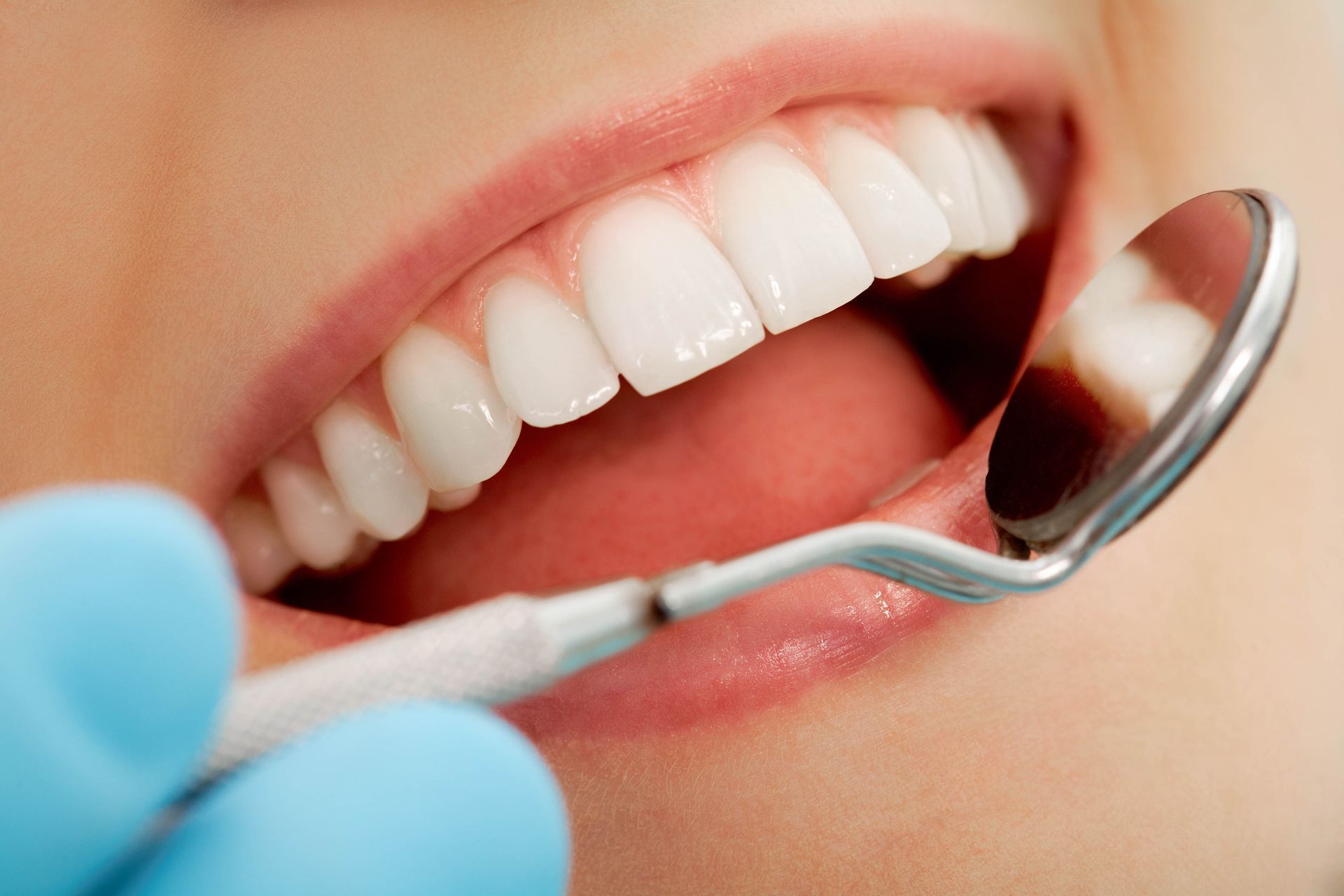
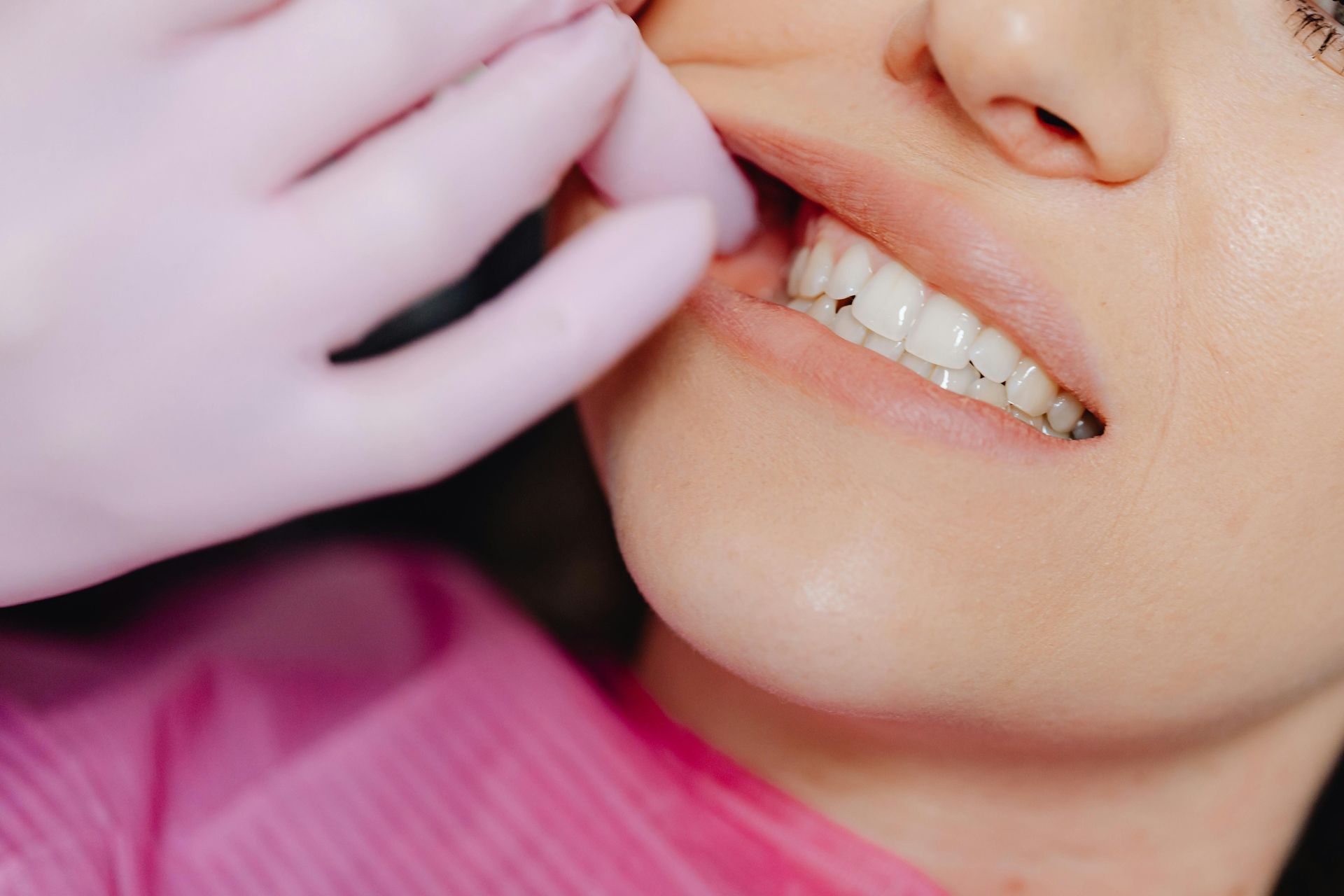
Take a peek at your pearly whites in the mirror. Do you notice any recent chips or cracks that can't be explained? Fractures like these may have formed during a teeth-grinding session, a condition known as bruxism. Enamel wear can also give teeth a transparent look. According to the Sleep Foundation, the prevalence of sleep bruxism in adolescents is estimated to be 15%. Here are some signs you may be grinding your teeth at night.

1. Your Tongue or Cheek Has Sore Spots
When you clench your jaws together forcefully, you risk accidentally biting your tongue or inner cheeks. Wake up with a sore spot or even a teeth-shaped impression? This wound offers a clue you may be grinding your teeth overnight. Report inner mouth sores and irritation to your local dentist as this can indicate bruxism.
2. You Have Headaches or Migraines
Studies show that bruxism and headaches frequently occur together. Researchers theorize that excess jaw tension travels to tissues surrounding the head. This leads to painful headaches and migraines for sufferers. So if you grapple with frequent annoying head pain, talk to your local dentist about screening for nighttime teeth grinding. Treating it may provide head relief.
3. You're Stressed Out
A set of clenched jaw muscles seems to be the body’s built-in response mechanism to stress. When you feel anxious or upset, you most likely tense your jaws and release stress through your teeth. High levels of long-term stress can prompt night grinding sessions during deep sleep. Talk to your local dentist if you think work, relationships, finances, or other worries may underlie your oral habits.
4. You Have Disrupted Sleep
Teeth grinding requires muscle activity in the jaw, tongue, and facial areas. It may disrupt your sleep, especially during lighter REM cycles. Take note if your partner says your grinding wakes them up, or you find yourself excessively tired even after what should have been a full night's sleep. Let your local dentist know about your sleep problems as bruxism could be robbing you of necessary rest.
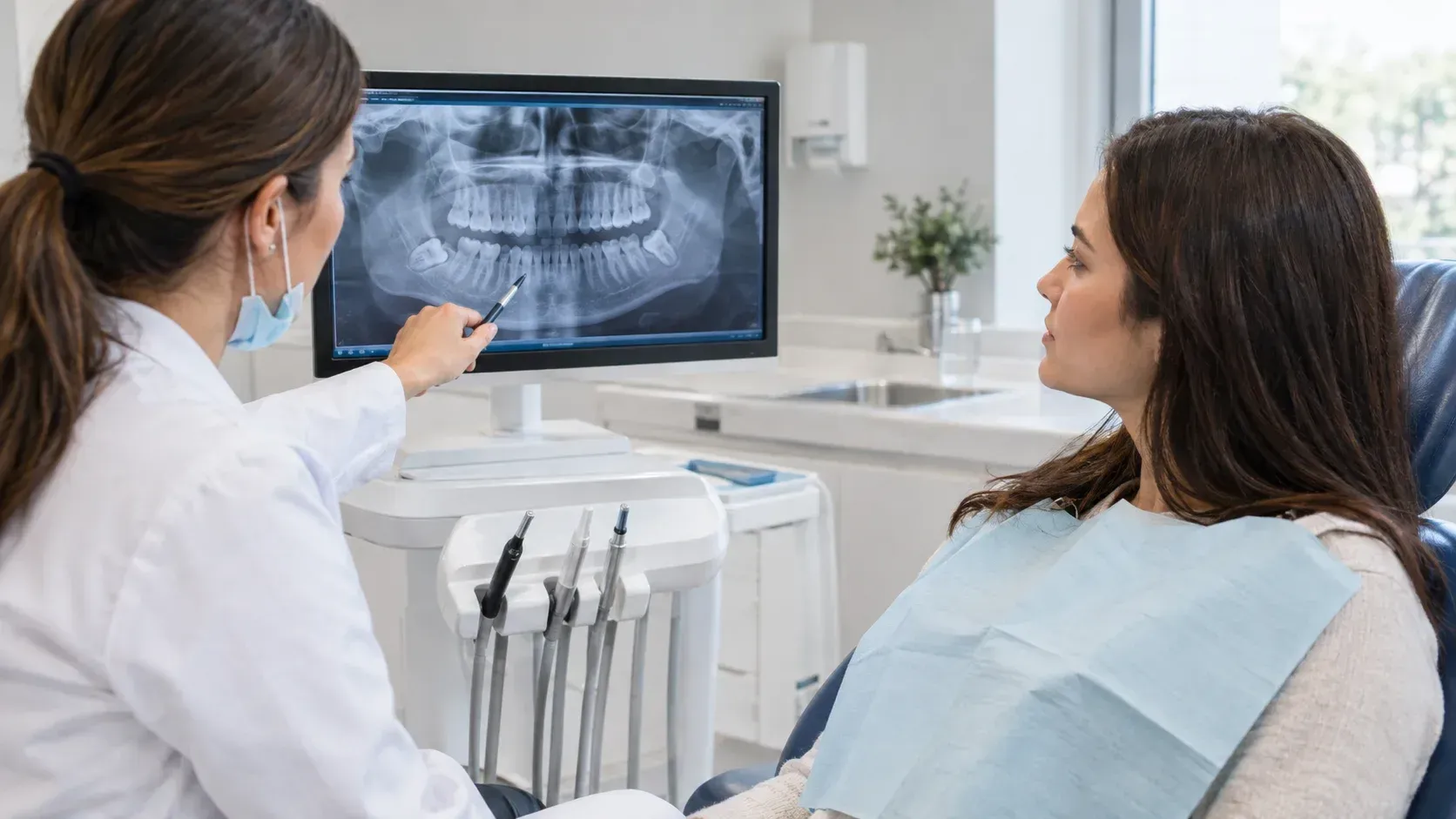
If you recognize yourself in any of these scenarios, schedule an appointment with your local dentist right away. They can evaluate you for nighttime teeth grinding and outfit you with a dental guard for protection and relief. Establishing healthy sleep habits may also minimize bruxism flare-ups. With prompt care, you can stop the grind and wake up feeling refreshed. Call Crown Dentistry of the Palm Beaches now to book an appointment.
Frequently Asked Questions
Can teeth grinding happen without waking me up?
Yes. Bruxism can occur during sleep without the person being aware of it, which is why signs such as tooth wear, jaw soreness, or morning headaches can be useful clues.
Can nighttime grinding damage dental crowns or fillings?
Yes. Grinding and clenching can place additional forces on teeth and restorations, potentially contributing to wear, fractures, or other damage over time.
Why do my teeth feel sensitive in the morning?
Morning sensitivity can have several causes, including grinding, enamel wear, gum recession, decay, or other dental conditions. A dental examination can help determine the cause.
Can a nightguard stop me from grinding my teeth?
A nightguard primarily protects the teeth from the effects of grinding and clenching. It does not necessarily eliminate the underlying habit.
When should I talk to my dentist about possible teeth grinding?
Talk with your dentist if you notice worn or chipped teeth, jaw soreness, morning headaches, tooth sensitivity, or other signs that may indicate nighttime grinding.
Recent Posts