Table of Contents
- Introduction
- The Standard Answer: Every Six Months
- Why Six Months Became the Benchmark
- Factors That Change How Often You Need a Cleaning
- What Happens During a Professional Teeth Cleaning
- What Happens When You Wait Too Long
- Signs You May Be Due for a Cleaning Now
- Building a Cleaning Schedule That Fits Your Life in Greenacres
- Conclusion
- Not Sure How Often You Should Get a Dental Cleaning?
- Frequently Asked Questions
Key Takeaways
- Most adults do well with a professional dental cleaning every six months, though this is a starting point rather than a rule.
- Your ideal cleaning schedule depends on your gum health, age, medical history, and daily habits like smoking or diet.
- People with gum disease, diabetes, or a heavy tartar buildup often need cleanings every three to four months.
- Brushing and flossing at home cannot remove hardened tartar. Only a professional cleaning can.
- Skipping cleanings for long stretches lets small, cheap problems grow into larger, more expensive ones.
Introduction
Most adults in Greenacres, Florida should get a
dental cleaning every six months. That said, six months is a general benchmark, not a rule that fits everyone, and your dentist may recommend visits every three or four months if you have gum disease, diabetes, or a history of heavy tartar buildup.
The question matters more than people realize. Plaque hardens into tartar within days, and once it hardens, no toothbrush can remove it. A cleaning schedule that matches your actual risk level is one of the simplest ways to avoid fillings, gum treatment, and tooth loss later on.
This guide walks through where the six-month standard came from, the factors that change professional teeth cleaning frequency, and how to figure out a schedule that makes sense for you.
The Standard Answer: Every Six Months
Twice a year is the schedule most dentists recommend for patients with healthy gums and no major risk factors. It gives your dental team enough contact with your mouth to catch problems while they are still small.
Six months is roughly how long it takes for tartar to build up to a point where it starts irritating the gums in an average, healthy adult. Visit sooner and there is less to remove. Wait much longer and the buildup starts doing quiet damage below the gumline.
Insurance plans in Florida typically cover two cleanings per year, which reinforces the twice-a-year habit. But coverage is a billing convention, not a medical assessment. Some people genuinely need more visits than their plan covers.
Why Six Months Became the Benchmark
The six-month interval is old. It predates most modern dental research and was popularized in part by mid-century health campaigns rather than clinical trials. Researchers have since studied whether it holds up, and the honest answer is mixed.
Studies suggest that low-risk patients may do fine with slightly longer intervals, while high-risk patients often need shorter ones. In other words, the six-month visit works well as a default because it lands safely in the middle for most people.
What the research agrees on is this: regular professional cleanings at some consistent interval beat irregular or skipped care by a wide margin. The exact number of months matters less than showing up on a schedule your dentist has matched to your mouth.
Factors That Change How Often You Need a Cleaning
Gum Disease History
This is the biggest factor. If you have been treated for gingivitis or periodontitis, your dentist will likely recommend periodontal maintenance cleanings every three to four months. Gum disease creates pockets around the teeth where bacteria collect faster than normal, so the standard interval leaves too much time between visits.
Age
Older adults tend to need closer monitoring. Gum recession, dry mouth from medications, and years of accumulated dental work all raise risk. Children and teens have their own timeline, since erupting teeth and orthodontics create spots that are hard to clean at home.
Medical Conditions
Diabetes, autoimmune conditions, and pregnancy all affect gum health. Diabetes in particular has a two-way relationship with gum disease: each condition can make the other worse. Patients managing these conditions often benefit from more frequent visits, decided together with their dentist and physician.
Lifestyle Habits
Smoking and vaping speed up tartar buildup and mask the early warning sign of bleeding gums. Frequent snacking, sugary drinks, and heavy coffee or tea consumption also raise risk. If several of these apply to you, a three or four month interval may be a better fit than six.
How Well Home Care Is Going
Someone who brushes twice a day and flosses daily builds tartar slowly. Someone who flosses occasionally builds it fast. Your hygienist can tell the difference within minutes of starting a cleaning, and that observation should shape your next appointment date.
What Happens During a Professional Teeth Cleaning
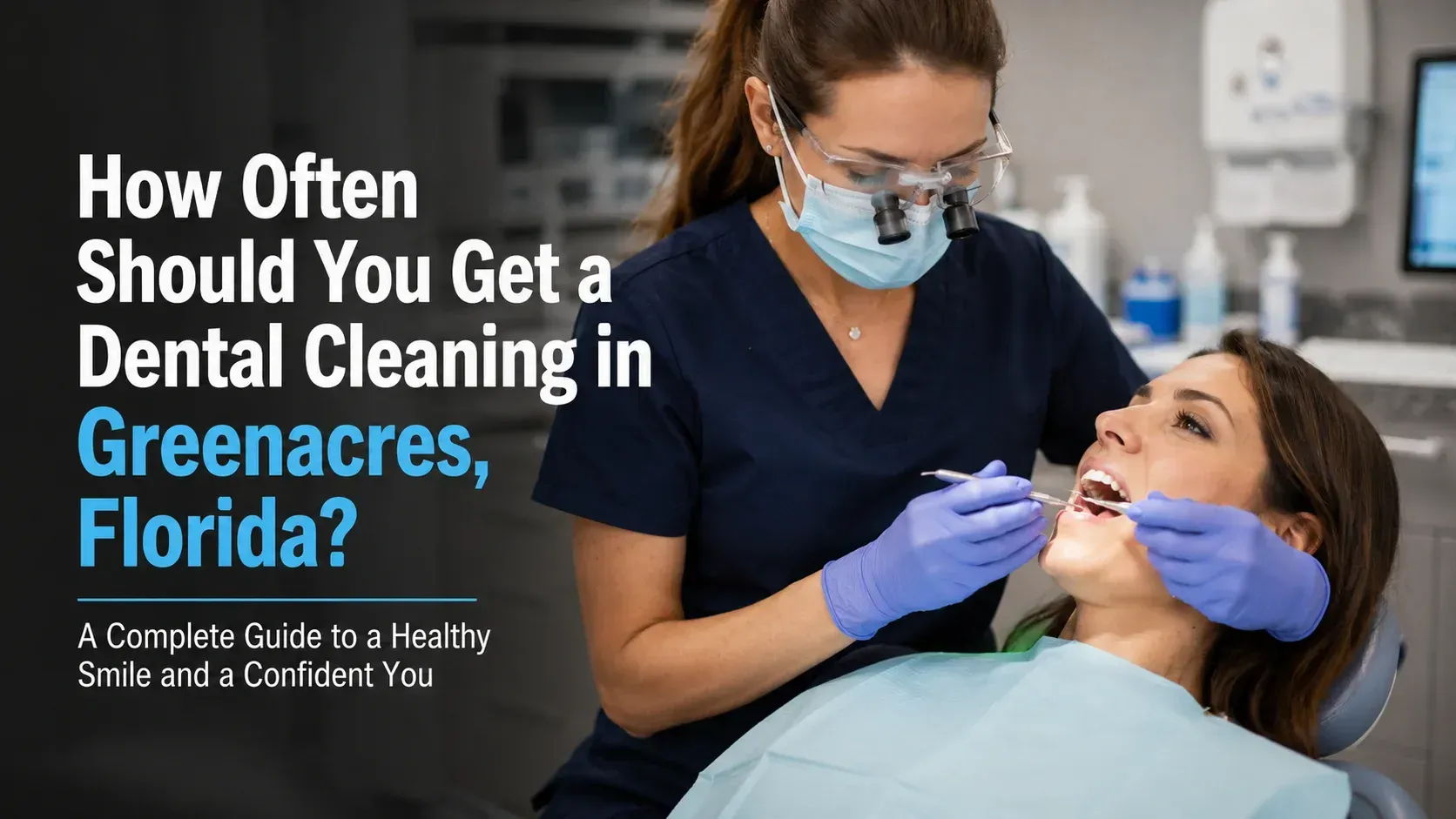
A routine cleaning, formally called a prophylaxis, usually takes 30 to 60 minutes. The hygienist uses hand instruments or an ultrasonic scaler to remove tartar from the tooth surfaces and just below the gumline, then polishes the teeth and flosses between them.
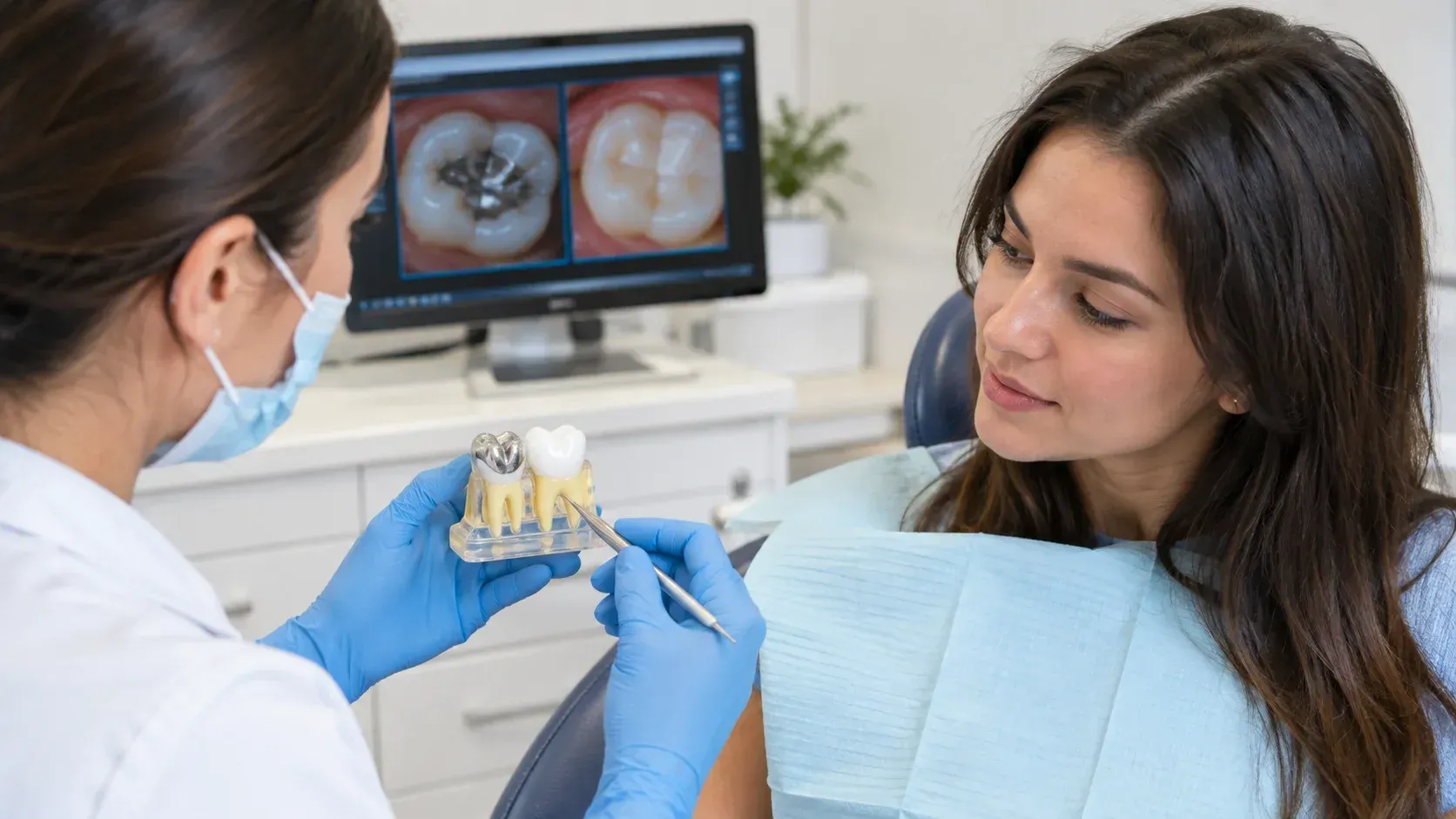
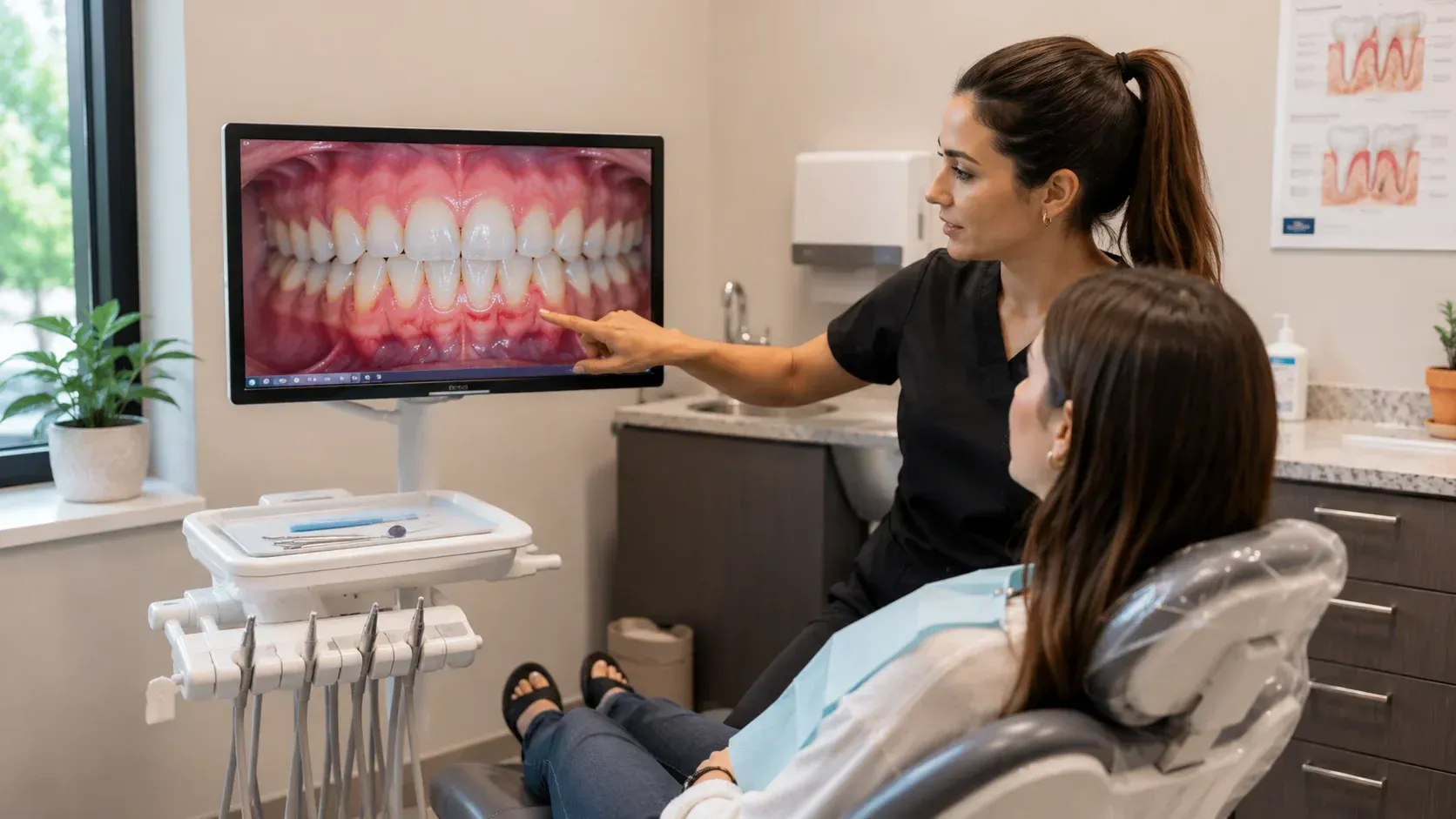
Your dentist will also examine your teeth, gums, and existing dental work. This exam is where cleanings earn much of their value. Early decay, a cracked filling, or the first signs of gum inflammation can all be caught during a visit you scheduled for routine
hygiene treatments, long before they cause pain.
If deeper tartar deposits are found under the gums, you may need scaling and root planing instead of a standard cleaning. This is a more involved procedure, and it is one reason waiting years between visits ends up costing more time in the chair, not less.