

What Happens to Your Jawbone If You Wait Years to Replace a Missing Tooth?

October 20, 2026

A light gold-colored circular arc over a white background.

Share this article

This is different from temporary breath issues after coffee, garlic, or a night's sleep. The concern is a persistent bad taste or smell that keeps returning no matter how well you clean.

Treatment depends on the stage. For gingivitis, a professional cleaning to remove plaque and tartar, paired with improved brushing and flossing at home, is often enough to restore healthy gums.

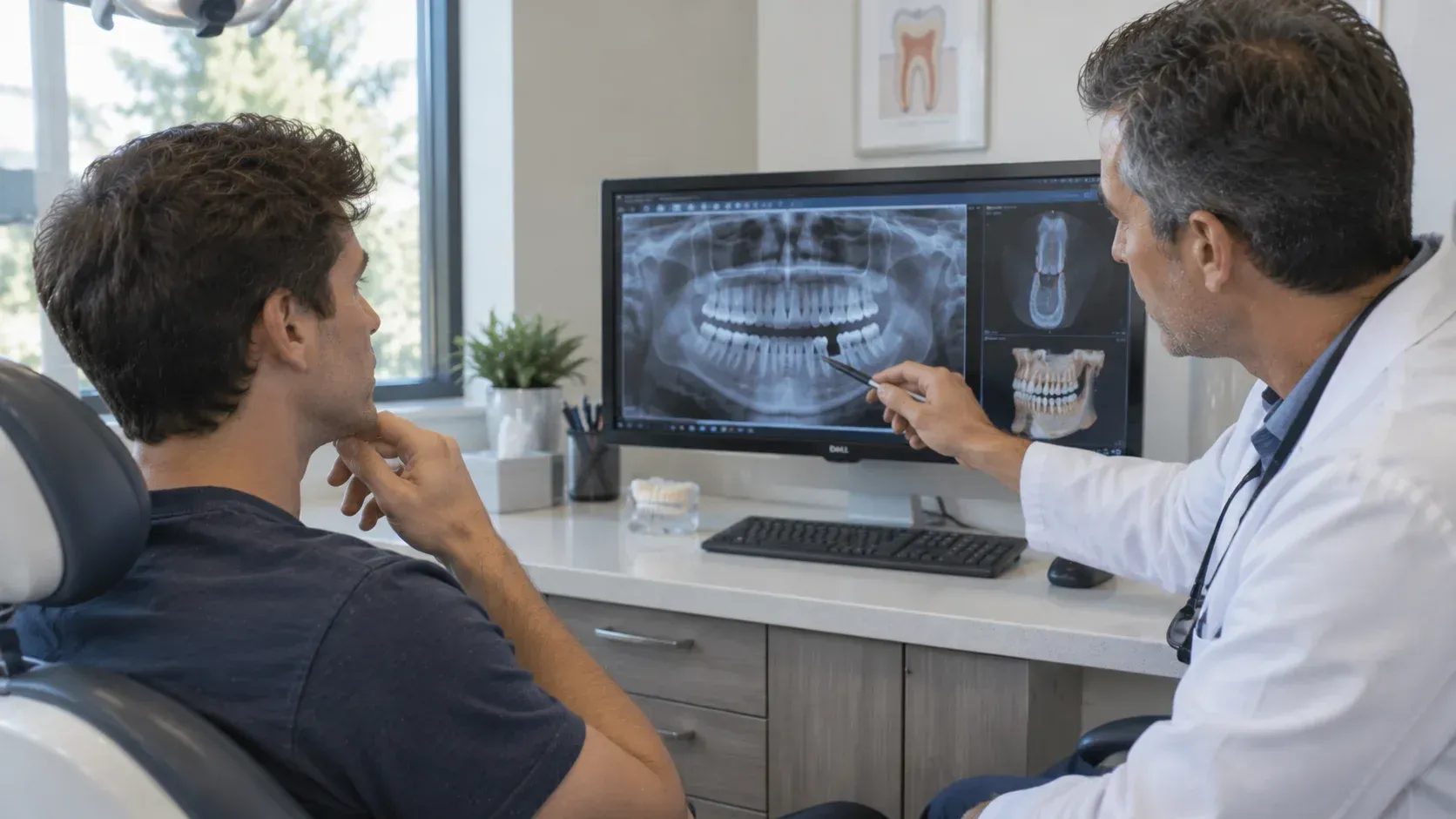
A dentist uses a pointer to explain a panoramic dental X-ray showing jawbone changes to a male patient, illustrating what happens to your jawbone if you wait years to replace a missing tooth.

Table of Contents

  1. Introduction
  2. What Happens to the Bone Under the Gap
  3. Jawbone Loss After a Missing Tooth, Step by Step
  4. Bone Loss After Tooth Extraction Is Fastest Early
  5. Missing Tooth Shifting Teeth and a Changing Bite
  6. The Real Cost of Delaying Tooth Replacement
  7. What You Can Do Now
  8. Conclusion
  9. Talk Through Your Options Sooner Rather Than Later
  10. Medical Disclaimer
  11. Frequently Asked Questions


Key Takeaways

  • Without a tooth root to stimulate it, the jawbone beneath a gap gradually resorbs, meaning it shrinks and changes shape.
  • Neighboring teeth drift into the space and the opposing tooth can drift down or up into it.
  • Both changes make a later denture, partial, or bridge harder to fit well.
  • Replacing a tooth protects the alignment around the gap. It does not bring back bone that is already gone.
  • What is happening in your mouth specifically needs an exam and images, not an article.

Introduction

Without a tooth root to stimulate it, the jawbone beneath a gap begins to resorb, which means it shrinks and changes shape over time. Neighboring teeth drift into the space while the tooth above or below it drifts toward the opening. Together those two changes make a later denture, partial, or bridge harder to fit well.


None of this happens overnight, and none of it is reversible by waiting longer. That is really the whole point of this article: the gap is not holding still, and the options available for replacing a missing tooth narrow as the shape of the mouth around it changes.


What Happens to the Bone Under the Gap

The bone that held your tooth existed to do that one job. When the job ends, the body gradually reclaims the material.


A tooth root sits in bone and transmits the force of chewing into it. That loading is the signal that tells the surrounding bone to maintain itself. Remove the root and the signal stops. The bone that formed specifically to support that tooth begins to remodel away, and the ridge where it sat gets narrower and lower.


Jawbone loss of this kind is normal biology rather than a complication. It is also why the question is not whether anything will change, but how much will have changed by the time you decide what to do.


The gum tissue follows the bone. As the ridge flattens, the contour of the gum over it flattens too, which is why an old gap often looks different from a recent one even when nothing else about the mouth has changed.


Jawbone Loss After a Missing Tooth, Step by Step

The sequence is predictable even though the pace is not.


  1. The tooth comes out or is lost, and the socket heals over.
  2. The bone that supported the root is no longer loaded and begins to resorb.
  3. The ridge narrows from the cheek side and loses height.
  4. The gum contour over the ridge changes shape with it.
  5. Neighboring teeth begin tipping toward the space.
  6. The tooth in the opposite jaw drifts toward the gap.
  7. Bite contacts shift, and chewing load redistributes onto other teeth.


Every step after the second one makes the eventual restoration more involved. That is the practical cost, and it accumulates quietly.


Bone Loss After Tooth Extraction Is Fastest Early

Bone loss after tooth extraction is generally most rapid in the period right after the tooth is gone, then continues more slowly for years. This is the part most people do not expect.


It matters for two reasons:

  • Waiting a short while is different from waiting a long while. The early phase is when the ridge changes most, which is why a conversation soon after an extraction is more useful than one several years later.
  • Slower does not mean stopped. A gap that has been there for a decade is still changing, just less dramatically than it did in the first months.


This is also why dentures need adjustment over time. The practice's own denture guidance notes that immediate dentures "require follow-up adjustments as the jawbone heals and reshapes," and that reshaping does not finish on a schedule.


We are deliberately not putting numbers on any of this. Published figures for how much ridge height or width is lost vary by tooth, by person, and by study, and the only measurement that applies to you comes from your own images.


Missing Tooth Shifting Teeth and a Changing Bite

Teeth move toward open space, and a missing tooth starts that movement in three directions at once.


What typically happens:

  • The teeth behind the gap tip forward into it rather than moving bodily, which opens wedge-shaped spaces at the gumline
  • The teeth in front may drift backward, opening gaps elsewhere in the arch
  • The opposing tooth erupts further into the space because nothing is meeting it
  • Food traps form in the new angles, which makes cleaning harder and raises decay and gum disease risk in teeth that were previously fine
  • Chewing load concentrates on whichever teeth are still meeting


A tipped abutment tooth is the one that causes the most trouble later. A bridge needs its anchor teeth in reasonable position and health, and a tooth that has spent years leaning into a gap may need to be uprighted or may no longer be a good candidate. That narrows what is realistic.


The Real Cost of Delaying Tooth Replacement

Delaying tooth replacement does not just postpone the work. It changes which work is possible.

What changes while you wait Why it matters later
Ridge narrows and loses height A denture or partial has less shape to seat against
Gum contour flattens The restoration's appearance at the gumline is harder to match
Adjacent teeth tip into the gap Abutment teeth may need correction before a bridge
Opposing tooth drifts into the space There may not be room left for the replacement
Bite contacts redistribute Other teeth absorb load they were not meant to carry
Food traps develop New decay and gum problems in previously healthy teeth

Worth being clear about one thing. Replacing the tooth protects the alignment around the gap and restores function, and that is a real benefit. It does not regrow bone that is already gone, and the ridge under a bridge pontic or a denture continues to change over time. Anyone who tells you otherwise is overselling it.


What You Can Do Now

Start with an exam and images, because the decision depends on what the bone and the neighboring teeth actually look like.


Reasonable next steps:

  • Have the gap looked at even if nothing hurts, since none of this is painful while it happens
  • Ask what the ridge and the abutment teeth look like on your own images
  • Ask which options are realistic for your mouth now, and which ones are getting less realistic
  • Keep the teeth around the gap cleaner than usual, since the new angles trap food
  • If an extraction is still ahead of you rather than behind you, ask about the replacement plan before the tooth comes out rather than after


That last one saves people the most. Deciding what goes in the space while the space is still the shape it is now is simply an easier problem than deciding later.


Crown Dentistry of the Palm Beaches has been practicing in Greenacres since 1987, and Dr. Saitta and Dr. Cohen handle extractions, bridges, dentures, and partials in-house, so the same people who see the gap can talk through what fits it.

Conclusion

A gap is not a stable situation. Jawbone loss continues underneath it, the teeth around it lean in, and the tooth opposite it drifts toward the opening, and all three of those make the eventual fix more complicated than it needed to be. Nothing here is an emergency. It is just that the version of this problem you have today is the simplest version you are going to get, and the only way to know where yours stands is to have someone look.


Talk Through Your Options Sooner Rather Than Later

If you have had a gap for a while, the useful next step is finding out what the bone and the neighboring teeth look like now. Crown Dentistry of the Palm Beaches offers free initial consultations, and you can have the space evaluated before deciding anything or call 561.964.2002. The practice accepts most PPO insurances, and the Patient Care Coordinator can walk you through what your plan covers.


Medical Disclaimer

This article is general dental information and is not a diagnosis or a treatment recommendation for any individual. Bone changes after tooth loss differ by tooth, by person, and by medical history, and only an examination with current images can show what is happening in your mouth. Talk to Dr. Saitta, Dr. Cohen, or your own dentist about your situation before making decisions about replacing a missing tooth.

Frequently Asked Questions

  • How long can you leave a gap before the jawbone changes?

    Bone begins remodeling once the root is gone, and the change is generally fastest in the period right after tooth loss, then slower for years afterward. There is no safe waiting window that applies to everyone. An exam with images is the only way to see where your ridge stands.

  • Does a bridge or denture stop jawbone loss?

    No. Replacing the tooth restores function and protects the alignment around the gap, which is valuable. It does not regrow bone already lost, and the ridge beneath a bridge pontic or a denture keeps changing shape over time, which is why dentures need adjustment.

  • Will my other teeth really move if I leave one gap?

    Usually yes. Teeth behind the space tend to tip forward into it, teeth in front may drift back, and the opposing tooth can erupt further toward the opening. Those movements create food traps and change how your bite distributes chewing force.

  • Is bone loss after a tooth extraction painful?

    No, which is the problem. Ridge resorption happens quietly and without symptoms, so most people only notice the result later when a restoration is harder to fit or the gum contour looks different. Nothing hurting is not evidence that nothing is changing.

  • Should I plan the replacement before the tooth is pulled?

    It generally makes the decision easier. Discussing what goes into the space while the ridge and neighboring teeth are still in their current position gives you more options than deciding after things have shifted. Ask about it at the extraction consultation.

Recent Posts

Dentist reviewing panoramic X-ray with a male patient discussing custom nightguards.
October 20, 2026
Learn whether dental insurance covers a custom nightguard for teeth grinding, how coverage typically works, and what can affect your final out-of-pocket cost.
Dentist: Why Do Impacted Wisdom Teeth Sometimes Need to Come Out Even When They Don't Hurt?
September 15, 2026
Learn why impacted wisdom teeth sometimes need removal even without pain, the silent problems they can cause, and how dentists in Greenacres, FL decide it.
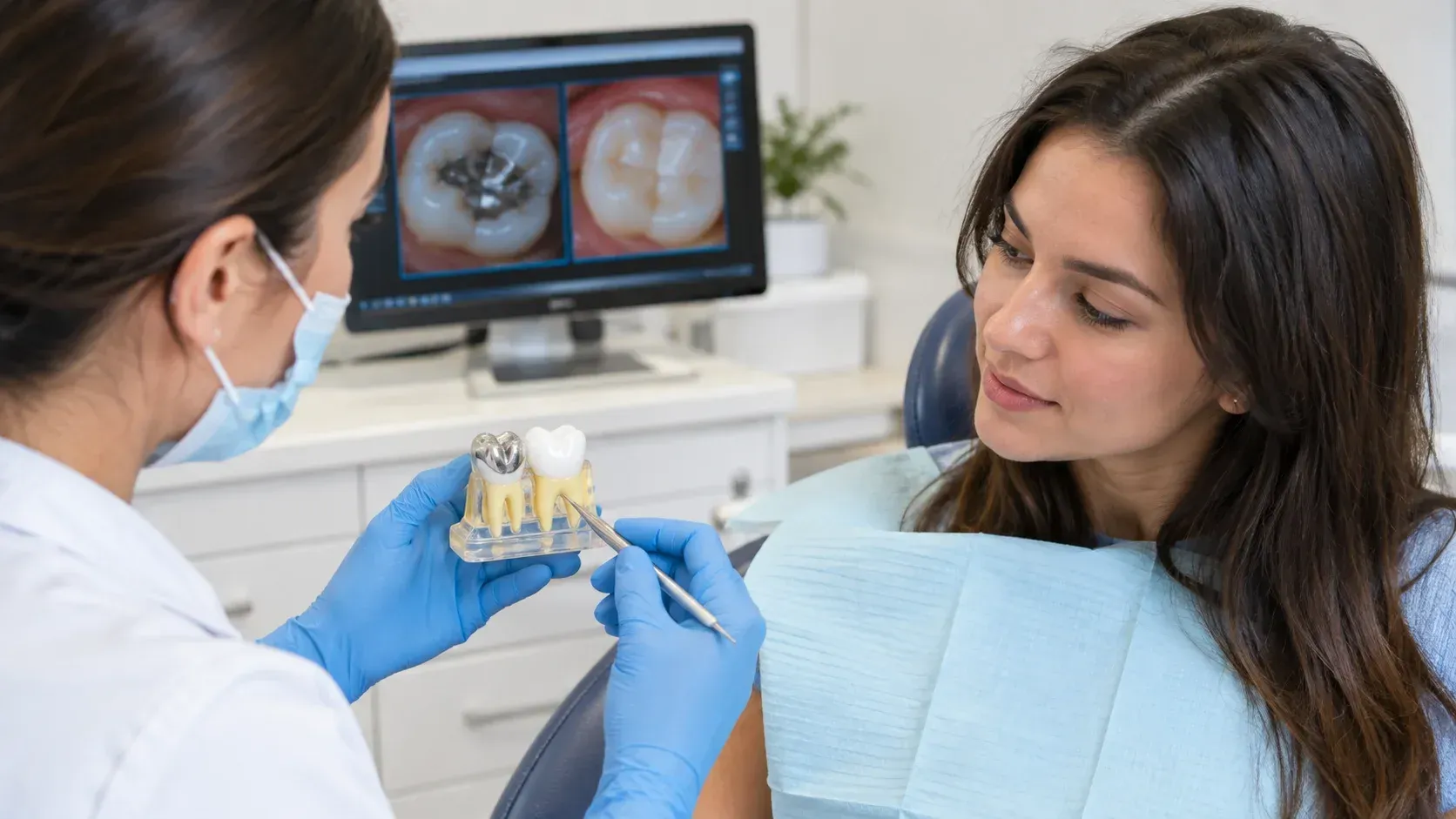
Discussing: Is It True That Silver (Amalgam) Fillings Are Stronger Than White Composite Fillings?
September 15, 2026
Learn whether silver amalgam fillings are truly stronger than white composite fillings, how the two compare, and how dentists in Greenacres, FL choose one.
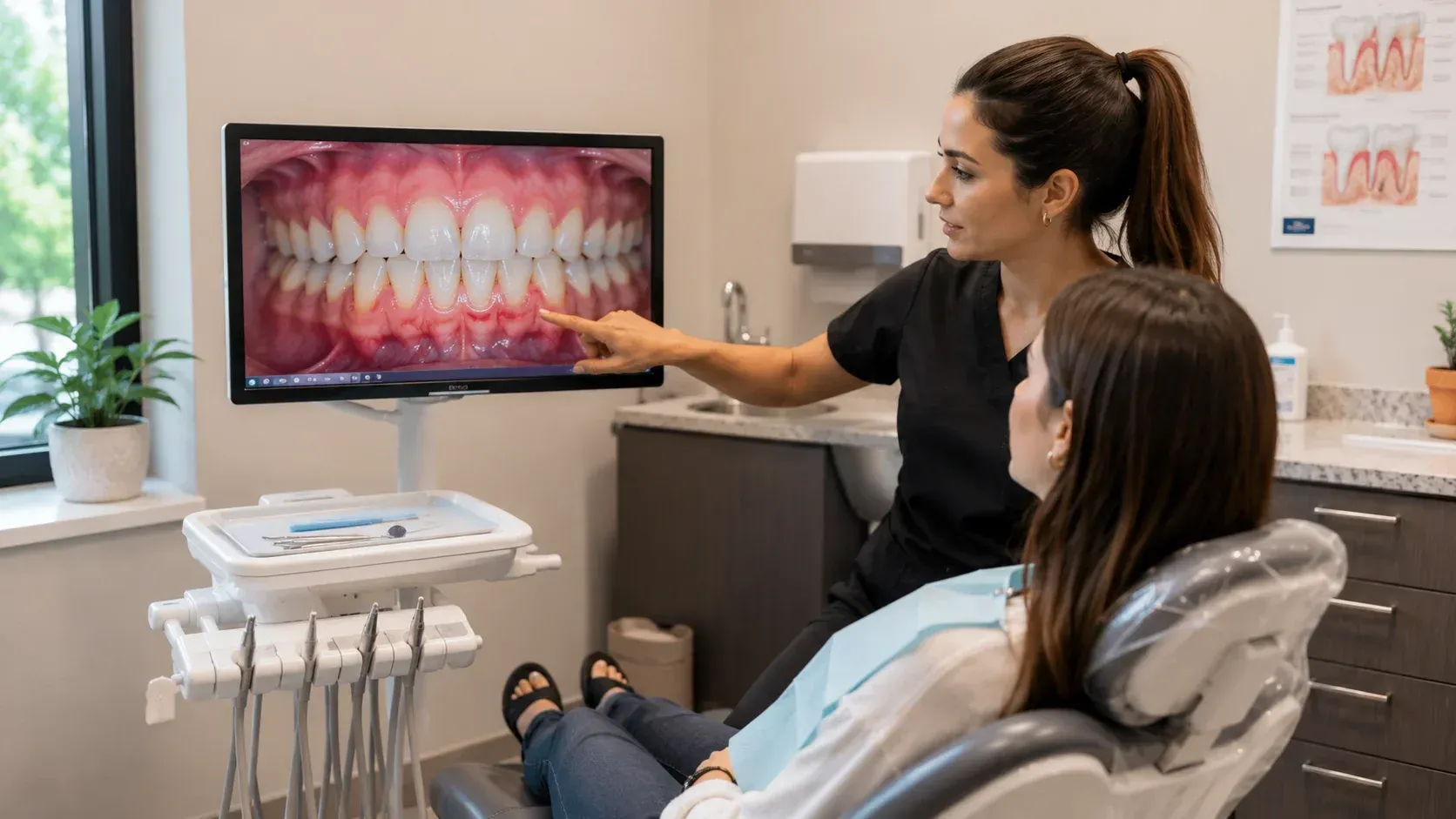
Dentist pointing at tooth display: signs of gum disease to watch in West Palm Beach.
By andrewmoats440 • August 14, 2026
Learn the common signs of gum disease to watch for in West Palm Beach, FL, from bleeding gums to loose teeth, and when to seek professional dental treatment.
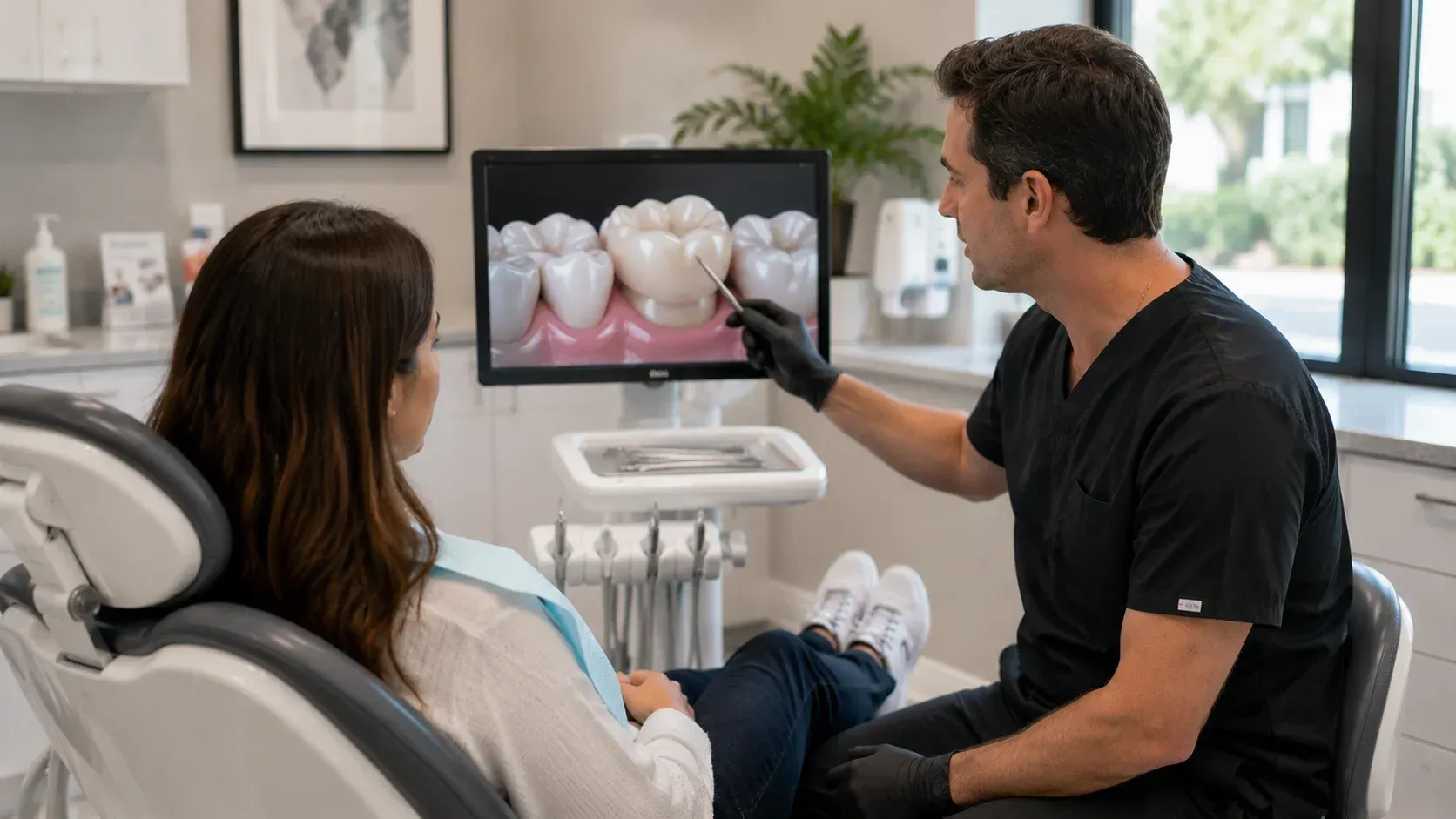
Dentist discussing a crown model on monitor with a patient: need a dental crown.
By andrewmoats440 • August 14, 2026
Learn how to tell if you need a dental crown in Greenacres, FL, including the common signs, what a crown protects against, and what the procedure involves.
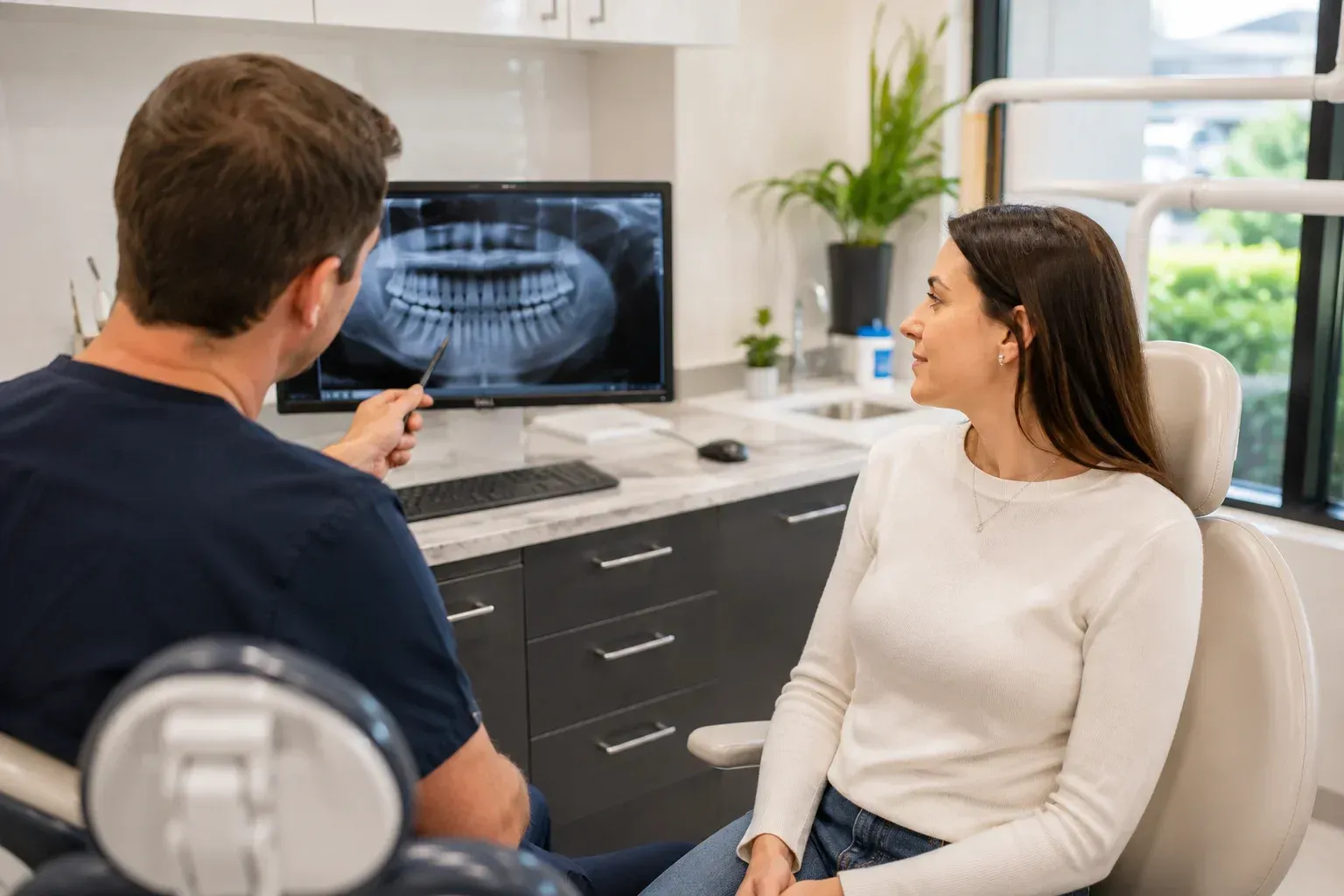
Dentist showing dental X-ray: What Should You Expect After a Root Canal in Wellington, Florida?
July 15, 2026
Learn what to expect after a root canal in Wellington, FL, including normal recovery symptoms, aftercare steps, healing timelines, and when to call your dentist
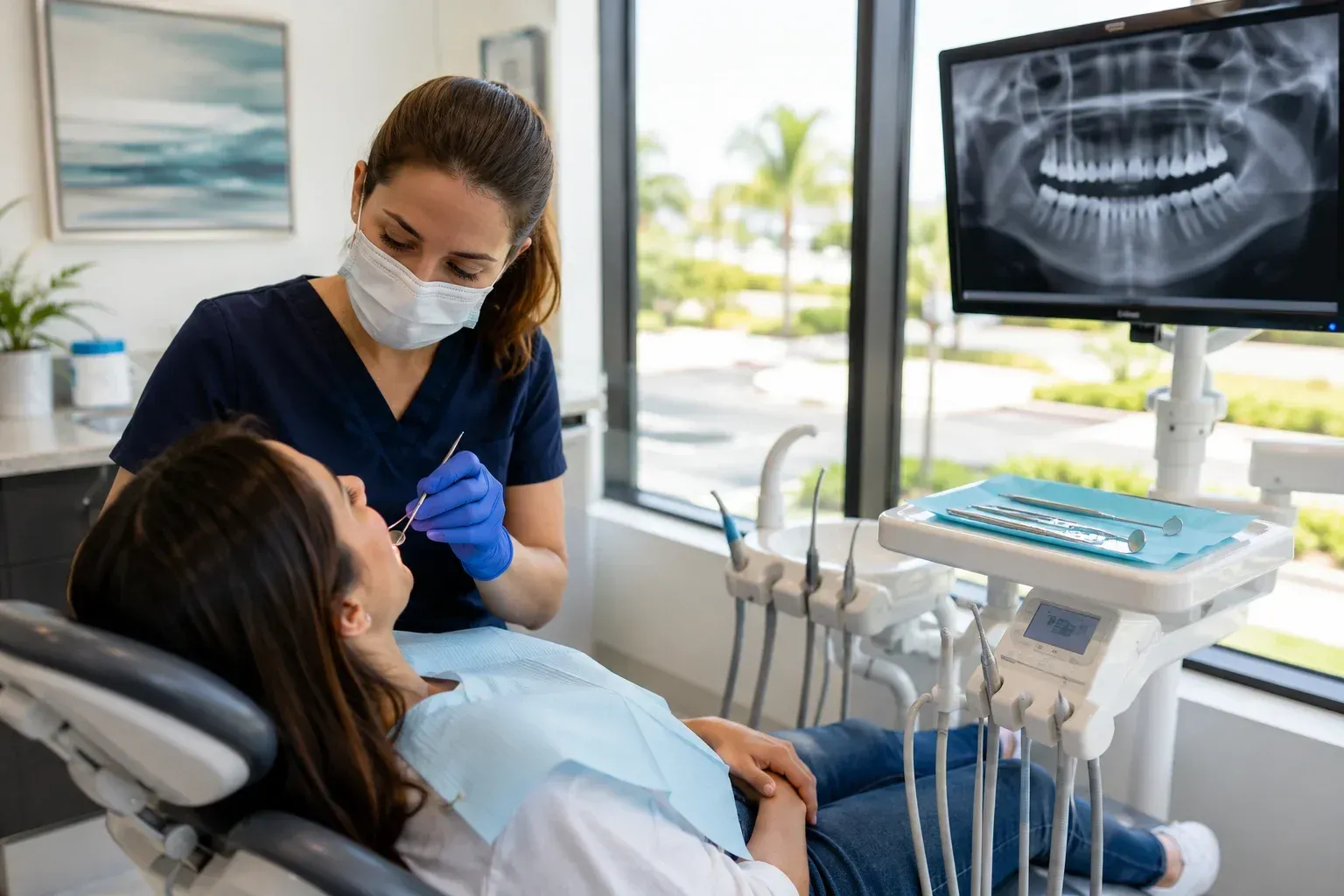
Dentist examining patient, How Often Should You Get a Dental Cleaning in Greenacres, Florida?
July 15, 2026
Learn how often you should get a dental cleaning in Greenacres, FL, which factors change the schedule, and how routine cleanings support long-term oral health.
Close-up of a smiling mouth with bright white teeth and glossy, red lipstick.
March 7, 2026
Take a peek at your pearly whites in the mirror. Do you notice any recent chips or cracks that can't be explained? Fractures like these may have formed during a teeth-grinding session, a condition known as bruxism. Enamel wear can also give teeth a transparent look. According to the Sleep Foundation, the prevalence of sleep bruxism in adolescents is estimated to be 15%. Here are some signs you may be grinding your teeth at night.
Mouth open for dental examination, teeth are white, dentist's tools and gloved hand visible.
March 7, 2026
Are you wondering how to maintain your oral health? Maintaining good oral health is essential for overall well-being and confidence. Regular oral hygiene practices can prevent a host of dental problems such as cavities, gum disease, and bad breath. Here are some top preventative maintenance tips to ensure your teeth stay healthy and your smile remains bright.
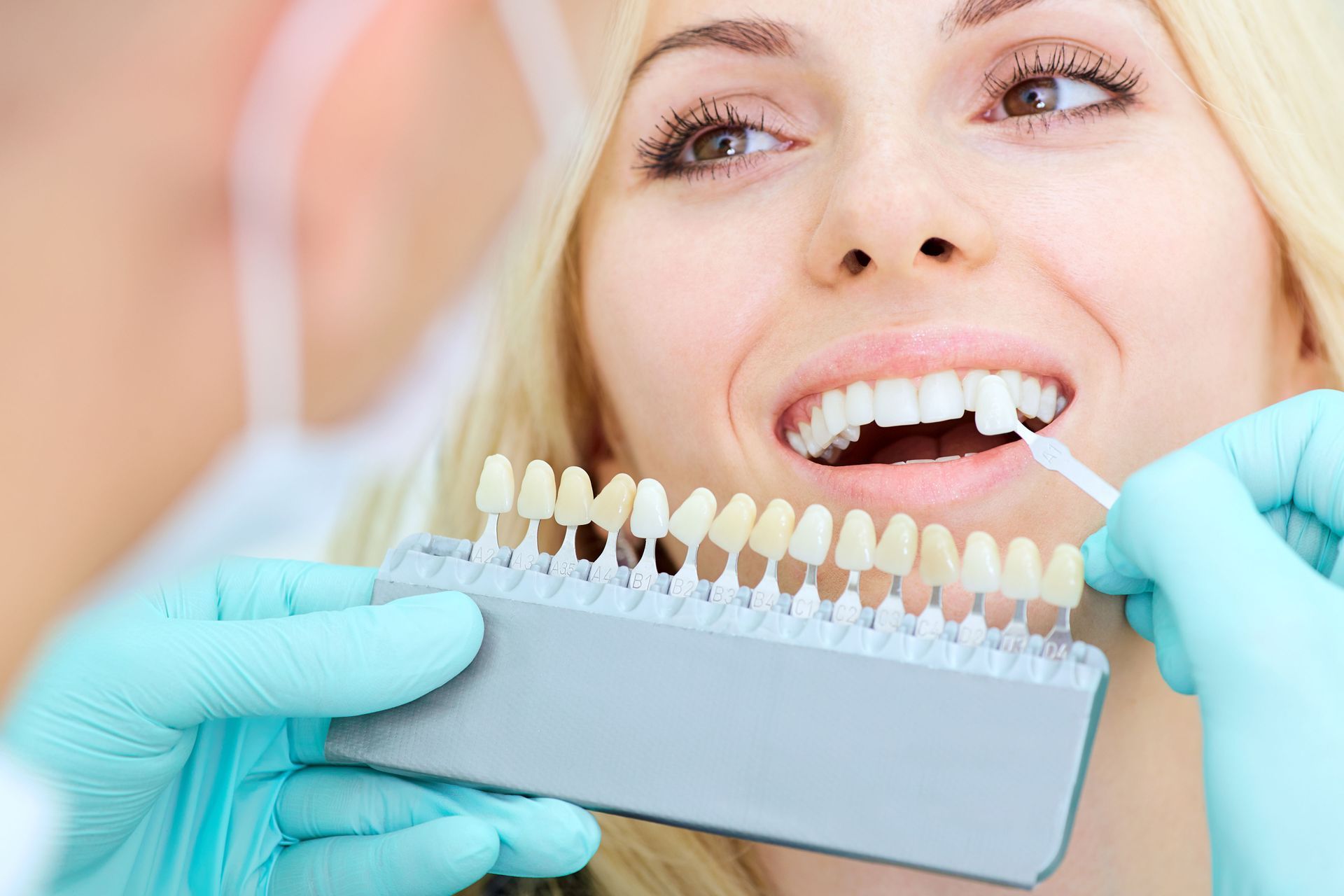
Dentist comparing shade guide to patient's teeth during a teeth whitening consultation.
January 16, 2026
Dental veneers continue to attract interest as a cosmetic option for improving tooth color, shape, and overall smile balance. Many people researching modern dental procedures want clear answers before deciding whether veneers fit their long-term goals. Questions often center on what veneers are, how long they last, and what factors influence cost. Understanding these details helps readers move smoothly from curiosity to informed decision-making, which the following sections are designed to support.