


What Are the Signs of Gum Disease to Watch for in West Palm Beach, Florida?

andrewmoats440 • August 14, 2026

A light gold-colored circular arc over a white background.

Share this article

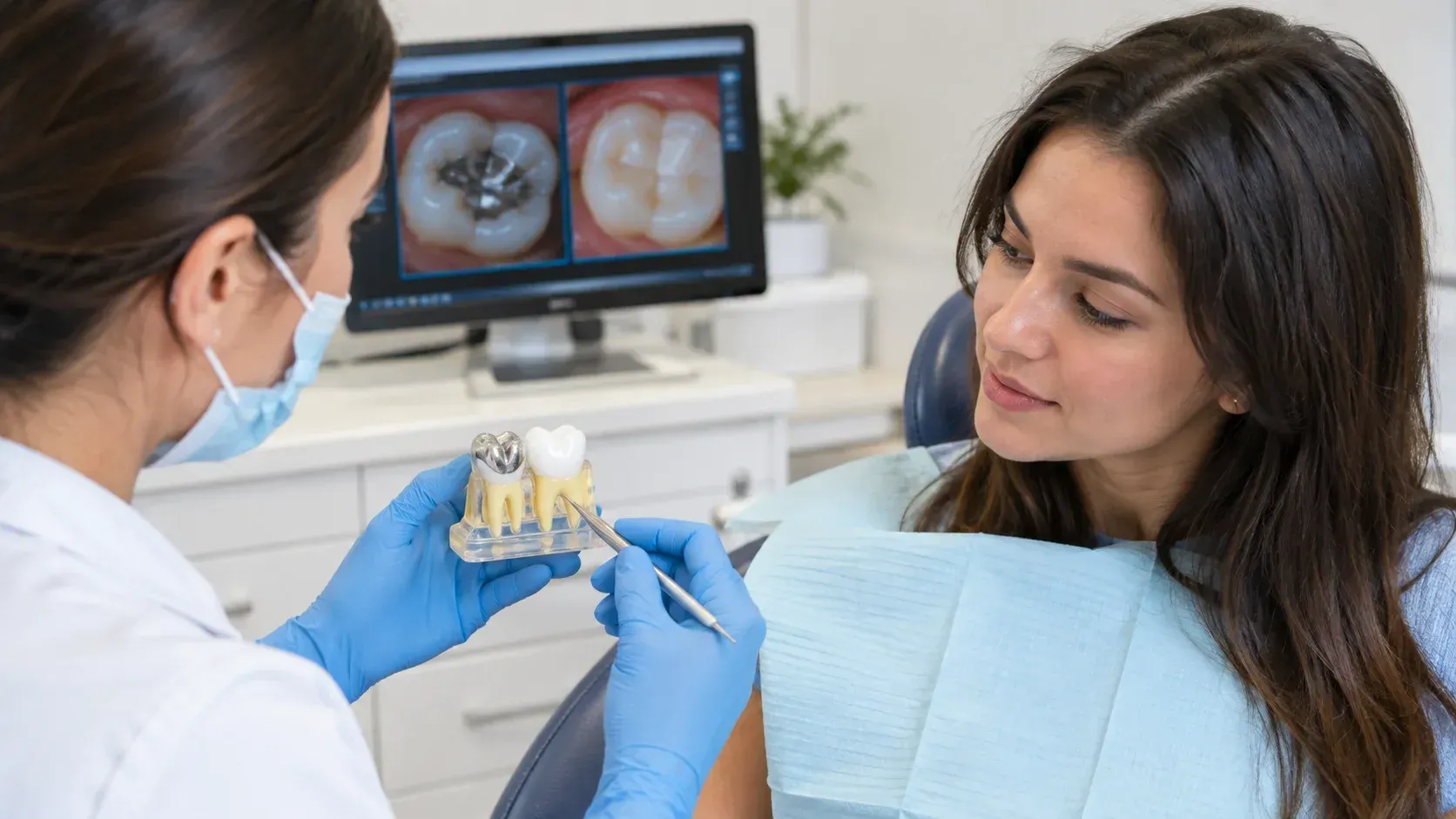
Dentist pointing at tooth display: signs of gum disease to watch in West Palm Beach.

Table of Contents

  1. Introduction
  2. Bleeding Gums: The Most Common Early Sign
  3. Swollen, Red, or Tender Gums
  4. Persistent Bad Breath
  5. Gum Recession and Longer-Looking Teeth
  6. Loose Teeth and Changes in Your Bite
  7. Why Early Diagnosis Matters
  8. What Professional Treatment Involves
  9. Conclusion
  10. Book a Discovery Call
  11. Frequently Asked Questions

Key Takeaways

  • The earliest sign of gum disease is usually bleeding when you brush or floss, and it often shows up before any pain.
  • Other common signs include swollen or red gums, persistent bad breath, gum recession, loose teeth, and discomfort while chewing.
  • Early-stage gum disease, called gingivitis, is reversible. Later-stage periodontitis is manageable but not reversible.
  • Gum disease is often painless in its early stages, which is why regular dental checkups matter.
  • Recognizing the signs early gives you and your dentist more treatment options and a better chance of keeping your natural teeth.

Introduction

The most common signs of gum disease to watch for are bleeding gums when you brush or floss, swollen or red gums, persistent bad breath, gum recession, loose teeth, and discomfort while chewing. Bleeding is usually the first and easiest to spot, and it often appears well before any pain does.

This matters because gum disease is quiet in its early stages. It rarely hurts at first, so many people who put off routine dental care in West Palm Beach do not realize anything is wrong until the condition has advanced. By the time teeth feel loose, the disease has often been at work for a while.

The good news is that the early stage is reversible when caught in time. This guide covers each sign in detail, explains why early diagnosis matters, and describes what professional treatment looks like.

The Short Answer: What to Watch For

Gum disease, also called periodontal disease, is an infection of the tissues that hold your teeth in place. It starts when plaque and tartar build up along and below the gumline, triggering inflammation.

There are two broad stages. Gingivitis is the early, mild form, and it is reversible with good care. Periodontitis is the advanced form, where the infection damages the bone supporting the teeth, and that damage cannot be undone once it happens.

The signs below tend to appear in a rough order, with bleeding and swelling early and loose teeth late. You do not need all of them to have a problem worth checking. One persistent sign is enough reason to see a dentist.

Bleeding Gums: The Most Common Early Sign

Healthy gums do not bleed during normal brushing or flossing. If you notice pink in the sink or blood on the floss, that is usually the first signal of inflammation, even if nothing hurts.

Many people assume they brushed too hard and ignore it. Occasional bleeding from an aggressive brushing session can happen, but bleeding that shows up regularly is worth paying attention to.

Smokers are an exception worth knowing about. Tobacco reduces blood flow to the gums, which can mask bleeding and hide early gum disease. If you smoke, do not rely on the absence of bleeding as an all-clear.

Swollen, Red, or Tender Gums

Healthy gums are firm and pale pink. Gums affected by early gum disease often look puffy, shiny, or darker red, and they may feel tender or sore to the touch.

This swelling comes from the body's inflammatory response to bacteria along the gumline. You might notice your gums look slightly rounded or bulging where they meet the teeth, rather than sitting flat and snug.

At this stage, a professional cleaning combined with better home care often reverses the inflammation. Regular hygiene treatments remove the tartar that daily brushing cannot reach, which is what allows the gums to recover.

Persistent Bad Breath

Bad breath that does not go away after brushing, flossing, and rinsing can point to gum disease. The bacteria living in gum pockets release compounds that produce a lasting unpleasant odor.

This is different from temporary breath issues after coffee, garlic, or a night's sleep. The concern is a persistent bad taste or smell that keeps returning no matter how well you clean.

Bad breath has other causes too, including dry mouth, certain foods, and sinus issues. It is not proof of gum disease on its own, but combined with bleeding or swelling, it strengthens the case for an exam.

Gum Recession and Longer-Looking Teeth

As gum disease advances, the gum tissue can pull away from the teeth. This makes teeth look longer than they used to, and it can expose the sensitive root surfaces below the enamel.

You might notice new sensitivity to hot, cold, or sweet foods, or feel a small notch where the gum used to sit. Some people spot recession when a tooth suddenly looks different in the mirror.

Receding gums also create pockets between the tooth and gum where bacteria collect more easily, which can speed up the process if it is not addressed. Recession does not grow back on its own, so this sign points toward the later stages.

Loose Teeth and Changes in Your Bite

Loose teeth are a serious, later-stage sign. When periodontitis destroys the bone anchoring the teeth, they can begin to shift or feel mobile. You might notice teeth moving slightly, gaps opening up, or a change in how your teeth fit together when you bite.

Discomfort while chewing often comes alongside this. If biting down feels different or tender, or if your bite suddenly feels off, the supporting structures may be compromised.

At this stage the goal shifts from reversal to control. In some cases, teeth damaged beyond saving may need to be removed, and your dentist can discuss extraction options and replacements if it comes to that. Catching the disease earlier is what keeps this outcome off the table.

Why Early Diagnosis Matters

The central challenge with gum disease is timing. Gingivitis is fully reversible, but it usually causes little or no pain, so it is easy to miss. Once it progresses to periodontitis, the bone loss is permanent, and treatment focuses on stopping further damage rather than reversing what has occurred.

There is also a broader health angle. Research has linked gum disease to conditions including heart disease and diabetes. The relationship is complex and still being studied, but it is one more reason not to dismiss gum problems as purely cosmetic.

Regular dental visits are the most reliable way to catch gum disease early. A dentist can measure the pockets around your teeth and spot changes long before you would notice them at home. Routine screening during a normal checkup is often all it takes to flag a problem while it is still reversible.

What Professional Treatment Involves

Treatment depends on the stage. For gingivitis, a professional cleaning to remove plaque and tartar, paired with improved brushing and flossing at home, is often enough to restore healthy gums.

For periodontitis, a deeper cleaning called scaling and root planing removes tartar from below the gumline and smooths the root surfaces so the gums can reattach. More advanced cases may require additional periodontal procedures or referral to a specialist.

No treatment guarantees a particular result, and outcomes depend heavily on ongoing home care and regular maintenance visits. What treatment does reliably offer is a way to stop the progression and protect the teeth that remain.

Conclusion

The signs of gum disease to watch for are bleeding gums, swelling and redness, persistent bad breath, gum recession, loose teeth, and discomfort while chewing. Bleeding tends to come first, and loose teeth come last, which means the earlier signs are your best warning while the condition is still reversible.

Gum disease is common, often painless in its early stages, and easy to overlook until it advances. Recognizing the signs and getting a professional assessment gives you the clearest picture of where your gums stand and what, if anything, needs to be done. The decision about treatment is one to make with a dentist, based on an actual exam rather than symptoms alone.

Book a Discovery Call

If you have noticed bleeding gums, ongoing bad breath, or any other sign mentioned here, a short conversation can help you understand what is going on. Crown Dentistry of the Palm Beaches offers free initial consultations where you can have your gums examined and ask questions about prevention and treatment, with no pressure to commit. Call 561.964.2002 or reach out through the contact page to arrange a time that works for you.

Frequently Asked Questions

  • Is gum disease reversible?

    Early-stage gum disease, called gingivitis, is reversible with professional cleaning and good home care. Once it progresses to periodontitis and bone loss occurs, the damage is permanent, though treatment can stop it from getting worse.

  • Does gum disease always cause pain?

    No. In its early stages, gum disease is often painless, which is why it is easy to miss. Signs like bleeding or swelling usually appear before any discomfort. Pain and loose teeth tend to come only in the advanced stages.

  • Are bleeding gums always a sign of gum disease?

    Bleeding is the most common early sign, but it can also result from brushing too hard, a new flossing routine, or certain medications. Bleeding that happens regularly, rather than once, is the pattern worth having checked by a dentist.

  • Can gum disease affect my overall health?

    Research has linked gum disease to conditions including heart disease and diabetes. The exact relationship is still being studied and is not fully understood, but it is one reason dentists treat gum health as more than a cosmetic concern.

  • How is gum disease diagnosed?

    A dentist examines your gums, measures the depth of the pockets around each tooth with a small probe, and may take X-rays to check for bone loss. These steps can detect gum disease before you would notice symptoms on your own.

  • What is scaling and root planing?

    It is a deep cleaning used to treat periodontitis. The dentist or hygienist removes tartar from below the gumline and smooths the tooth roots so the gums can heal and reattach. It is more involved than a standard cleaning and may be done over more than one visit.

  • How can I lower my risk of gum disease?

    Brush twice a day, floss daily, and keep regular dental cleanings. Not smoking, managing conditions like diabetes, and eating a balanced diet also help. Consistent home care combined with professional cleanings is the most effective approach.

Recent Posts

Dentist discussing a crown model on monitor with a patient: need a dental crown.
By andrewmoats440 August 14, 2026
Learn how to tell if you need a dental crown in Greenacres, FL, including the common signs, what a crown protects against, and what the procedure involves.

Dentist showing dental X-ray: What Should You Expect After a Root Canal in Wellington, Florida?
July 15, 2026
Learn what to expect after a root canal in Wellington, FL, including normal recovery symptoms, aftercare steps, healing timelines, and when to call your dentist

Dentist examining patient, How Often Should You Get a Dental Cleaning in Greenacres, Florida?
July 15, 2026
Learn how often you should get a dental cleaning in Greenacres, FL, which factors change the schedule, and how routine cleanings support long-term oral health.

Close-up of a smiling mouth with bright white teeth and glossy, red lipstick.
March 7, 2026
Take a peek at your pearly whites in the mirror. Do you notice any recent chips or cracks that can't be explained? Fractures like these may have formed during a teeth-grinding session, a condition known as bruxism. Enamel wear can also give teeth a transparent look. According to the Sleep Foundation, the prevalence of sleep bruxism in adolescents is estimated to be 15%. Here are some signs you may be grinding your teeth at night.
Mouth open for dental examination, teeth are white, dentist's tools and gloved hand visible.
March 7, 2026
Are you wondering how to maintain your oral health? Maintaining good oral health is essential for overall well-being and confidence. Regular oral hygiene practices can prevent a host of dental problems such as cavities, gum disease, and bad breath. Here are some top preventative maintenance tips to ensure your teeth stay healthy and your smile remains bright.
Dentist comparing shade guide to patient's teeth during a teeth whitening consultation.
January 16, 2026
Dental veneers continue to attract interest as a cosmetic option for improving tooth color, shape, and overall smile balance. Many people researching modern dental procedures want clear answers before deciding whether veneers fit their long-term goals. Questions often center on what veneers are, how long they last, and what factors influence cost. Understanding these details helps readers move smoothly from curiosity to informed decision-making, which the following sections are designed to support.